Every day, customers use their phones and computers to search for products, services and answers to their questions. They may be looking for a product, a service, a local business or simply an answer to a question.
Instead of searching through directories or visiting businesses in person, they often begin with an online search. They start by searching a local bakery, a plumber, a boutique or even a marketing consultant. Within seconds, they can compare businesses, explore their websites, read reviews and decide which ones are worth contacting.
One business may have a modern, fast-loading website with clear information, customer reviews and an easy way to get in touch. Another may rely on an outdated social media profile or provide very little information online. In many cases, the choice is made before even calling the phone. For small businesses in 2026, a professional website is no longer simply an optional marketing asset. It has become an important part of establishing a credible digital presence. It is often the digital front door to the business. It shapes first impressions, builds trust, answers customer questions and creates opportunities for business growth around the clock. The question for a small business is no longer whether it needs an online presence, but whether its website is helping it make a strong first impression and generate opportunities.
Your Website Is Your Digital Storefront
Imagine walking past two shops that sell similar products. One has clean windows, well-presented products, clear signage and welcoming staff. The other looks neglected, provides little information and appears uninviting. If both businesses offer similar products, most customers are more likely to feel confident choosing the one that looks professional and welcoming. The same principle applies online.
A professional-looking website can make a business appear organised, established and trustworthy. Visitors should be able to find the information they need quickly and easily.
Who are you?
What do you offer?
Where are you located?
How can customers contact you?
If these answers are difficult to find, potential customers may leave the website and look elsewhere. Unlike a printed business card or brochure, a website is available online whenever a customer needs information. Whether someone visits at 9 a.m., midnight or during the weekend, a website can provide information about products and services, answer frequently asked questions and give visitors a way to make an enquiry without waiting for business hours.
Customers Expect Businesses to Be Online
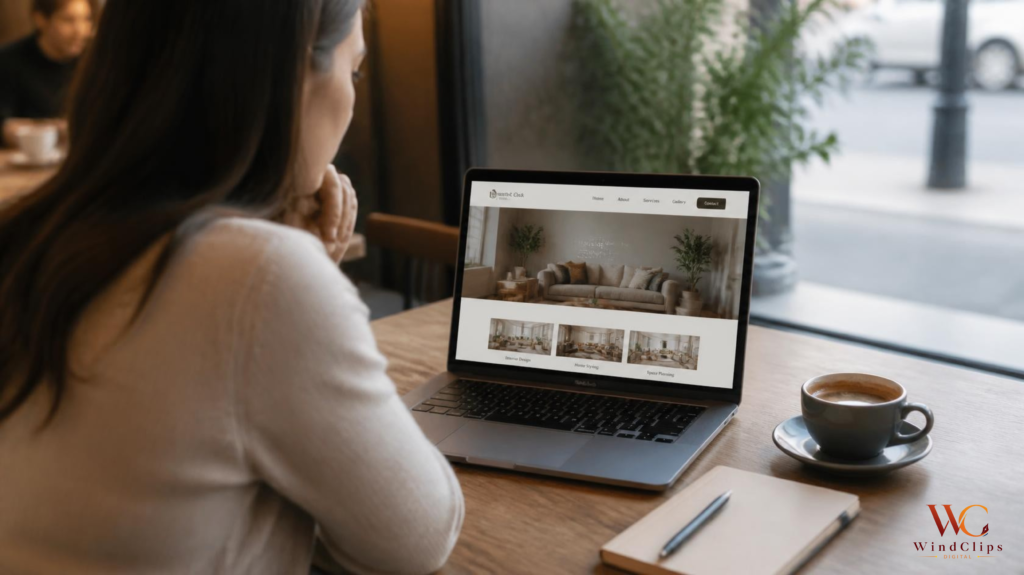
Over the past decade, the way customers research and evaluate businesses has changed significantly. Before making a purchase or contacting a business, many customers now search online to compare their options. They may compare businesses, read reviews, explore portfolios and assess whether a company appears credible before making a decision. This attitude is not limited to large shops; it extends to local shops too.
For many customers, the absence of a credible online presence can create uncertainty about a business’s professionalism, reliability or relevance. When customers cannot find reliable information about a business online, uncertainty can quickly follow.
Is the business still operating? Are its services current? Can the business be trusted?
A well-designed website can address many of these concerns by providing current information, clear service details and visible evidence of credibility. This can reduce uncertainty and increase customer confidence.
Social Media Is Not a Complete Solution
Many small businesses rely heavily on platforms such as Facebook, Instagram, LinkedIn or TikTok to build their online presence. These can be excellent marketing tools. However, social media should complement a business website rather than replace it. Social media algorithms are continuously changing. A post may reach hundreds of people one day and far fewer the next, depending on platform algorithms and user behaviour. Businesses also have limited control over platform algorithms, account restrictions and changes to platform policies. On social platforms, businesses have less control over how their content is presented and distributed. Your website gives your business greater ownership and control over its digital presence.
You control the design, structure, messaging and customer journey rather than having them determined by a third-party platform.Social media is excellent at capturing attention. A website can then turn that attention into enquiries, bookings and sales. Used together, social media and a professional website can form a stronger digital strategy than either channel working alone.
Professional Design Builds Trust
Trust is one of the most valuable assets a business can build. A professional website can reinforce that trust through a consistent and carefully considered digital experience. Several elements can contribute to a trustworthy website experience:
- Clean layouts.
- Fast loading speeds.
- Secure browsing.
- Professional photography.
- Authentic testimonials.
- Clear service descriptions.
- Simple navigation.
Each may seem like a small detail, but together they can have a significant impact on how visitors perceive a business. Visitors can form an initial impression of a business within seconds of landing on its website. A business may offer excellent products or services, but a slow website, broken links, outdated information or spelling errors can create the opposite impression. Professional web design is about more than appearance. It also communicates professionalism, reliability and attention to detail.
A Website That Works Around the Clock
Employees finish work. Shops close. Phones stop ringing. Customers may search for information during lunch breaks, evenings, weekends or holidays. Others may simply need a quick answer before deciding what to do next. With the right functionality, visitors can submit enquiries, request quotes, book appointments or purchase products directly through a website. Every missed interaction can represent a missed business opportunity.
Website automation can make that digital presence even more valuable.
- Frequently asked questions.
- Appointment scheduling.
- Online payments.
- Live chat.
- Customer support.
- Email subscriptions.
These features can reduce repetitive administrative work while making the customer experience more convenient. Rather than replacing personal service, automation can free up time for businesses to focus on the customers and tasks that require human attention.
Visibility Begins with Search
Having an online presence is important, but businesses also need a website that can be found through relevant searches. A well-optimised website creates more opportunities for potential customers to discover a business. Customers use search engines to find businesses that can meet specific needs. Someone searching for “best accountant near me” or “emergency plumbing services” may already have a strong intention to find and contact a provider. Without a website, businesses can miss opportunities to appear in these searches and reach customers at the moment they are looking for a solution.
SEO helps businesses improve their visibility in relevant search results through useful content, accurate business information and technically sound web pages. SEO is an ongoing process, but establishing a strong technical and content foundation can significantly improve a website’s ability to be discovered through search. The earlier a potential customer discovers your business, the greater the opportunity to become part of their decision-making process.
Supporting Growth Beyond Local Markets
Word-of-mouth recommendations have always been valuable to small businesses. They still are. A strong digital presence can extend that reach far beyond a business’s immediate network. Satisfied customers can share their experiences with friends, family and colleagues, while businesses can use their websites to showcase those success stories to a much wider audience. Completed projects can be showcased, educational articles can be written and published, employees can be introduced, and customer success stories can be published.
Each useful page is also an opportunity to demonstrate expertise and build credibility. As businesses expand, so do websites. New services. Additional locations. Online stores. Customer portals. Educational resources. A business can strengthen its digital footprint without replacing its physical operations. As the business grows, its website can grow with it; supporting new services, locations, resources and customer needs.
The Cost of Waiting
Some small business owners delay building a website because they believe it will be expensive, complicated or unnecessary. Others rely entirely on social media because it already provides them with some visibility. However, the greater cost may be the opportunities a business misses while waiting. Potential customers who cannot find the information they need may simply move on to a competitor. Businesses with a strong online presence are easier to discover, easier to contact and better positioned to build lasting customer relationships. Today’s customers may evaluate a business online before the business even knows they are considering it. Delaying a website can therefore give competitors an opportunity to make the stronger first impression.
Looking Ahead
Technology will continue to evolve. AI will increasingly influence how businesses communicate with and support customers. Voice-based search and conversational interfaces are also likely to become increasingly important. Online booking and customer-service systems will continue to become more sophisticated. Digital payment experiences are also likely to become faster and more convenient. But there is one thing that hasn’t changed. Customers still need confidence before they decide to contact, trust or buy from a business. A professional website can help create that confidence. It introduces the business. Explains its value. Answers questions. Builds trust. Creates opportunities. Supports growth.
And it can do all of this before the first handshake, phone call or purchase. In 2026, location, pricing and reputation are not the only factors influencing how customers choose a business. Its digital presence matters too. A professional website is no longer simply an optional part of running a modern business. For many small businesses, it is a foundation of their modern digital presence.
Is Your Website Working Hard Enough for Your Business?
Your website should do more than tell people that your business exists. It should explain what you offer, build trust, answer customer questions and make it easy for the right people to take the next step. If your website feels outdated, unclear or difficult to navigate, it may be costing you opportunities.
WindClips helps businesses create clear, professional websites and content that communicate their value effectively.